Skip to content
One of the most important parts of any home is also one of the most overlooked – the roof! If your roof has been a bit neglected or is looking grimy or covered in moss, it’s natural to think, “Can I just power wash this myself?” While a power washer can remove dirt quickly, high-pressure water can damage shingles, force moisture under roofing materials, and even create leaks.
Thinking about power washing your roof? Learn the risks of pressure washing shingles, tile, and metal roofs—and safer professional alternatives. Before you grab the hose and wand, understanding the right approach can save you time, money, and a lot of headaches.
Can You Power Wash a Roof?
Technically, yes, you can pressure wash a roof, but it’s not as simple as spraying off dirt. High-pressure water can harm shingles, loosen tiles, or scratch a metal roof. Each roofing material has its own tolerance, and even minor missteps can lead to long-term damage.
Homeowners often underestimate the force needed to clean effectively without causing harm. That’s why hiring a professional who understands the correct pressure settings, cleaning angles, and safety precautions is usually the smarter route.
When Is Pressure Washing a Roof Appropriate?
You might consider cleaning if your roof shows:
- Significant moss or algae growth.
- Dark stains from dirt or water runoff.
- Debris buildup that blocks gutters or drainage.
Assess these signs carefully before starting, and remember that not every roof needs aggressive cleaning.
Why Pressure Washing a Roof Can Be Risky
Power washing a roof might seem simple, but it can easily damage shingles, trap water, or create safety hazards if done incorrectly.
Damage to Shingles and Protective Granules
Many people don’t realize that high-pressure water can strip away protective granules on asphalt shingles, crack or lift shingles, and reduce their lifespan. This doesn’t just make your roof look worse—it also exposes the underlying material to the elements, potentially leading to leaks and costly repairs.
Water Can Be Forced Under Roofing Materials
When you blast water across shingles or tiles, it can easily sneak underneath. On tile roofs, trapped moisture can cause mold growth, weaken the structure, or crack tiles. On asphalt roofs, water under the shingles can compromise the roof deck. Once moisture gets in, it’s often invisible until damage is severe, so caution is key.
Safety Concerns for Homeowners
Roof work carries real risks. Slips, falls, and unstable ladders are serious hazards. High-pressure water itself can knock you off balance or damage surfaces unexpectedly. Incorrect technique can even void your roof warranty. Professionals not only know the right tools and angles, but they also follow safety protocols that protect both you and your roof.
Pressure Washing Shingles: What Homeowners Should Know

Asphalt shingles can be tricky to clean. Pressure washing removes dirt, but it can also damage shingles if done wrong. Soft washing is often a safer, gentler option.
Asphalt Shingle Roofs
Asphalt shingles are the most common roofing material, but they’re also surprisingly delicate. High-pressure water can loosen or crack shingles, and pressure alone might not fully remove moss or algae. Many shingle manufacturers explicitly advise against pressure washing roofs, and ignoring those guidelines could void your warranty.
Roof Cleaning: Pressure Washing vs. Soft Washing
Soft washing is a safer alternative. It uses low-pressure water combined with specialized cleaning solutions to gently remove algae, moss, and dirt without stripping granules or cracking shingles. Even if you’re considering pressure washing shingles yourself, soft washing offers a gentler, longer-lasting solution that protects your roof’s integrity.
Pressure Washing Tile Roofs and Metal Roofs
Tile and metal need extra care when power washing a roof. High pressure can crack tiles or scratch metal, so using the right techniques and settings is key.
Pressure Washing Tile Roofs
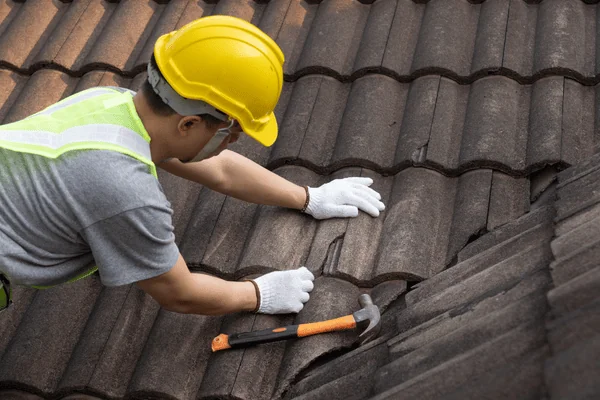
Tile roofs are fragile, so a careless blast of high-pressure water can crack or dislodge tiles. To clean tiles safely, use a low-pressure setting, apply a cleaning solution to treat moss and algae, and check for loose tiles before you start. Proper care ensures effective cleaning without damage.
Pressure Washing Metal Roofs
Metal roofs are durable but still vulnerable to scratches, dents, or corrosion from harsh chemicals. Use low-pressure settings, test a small area first, and avoid aggressive chemicals. If you’re unsure, hiring a professional helps prevent mistakes and maintain your roof’s longevity.
What Is Professional Roof Cleaning?

Professional cleaning goes beyond just spraying water. Experts use the right combination of low-pressure techniques, eco-friendly cleaning solutions, and inspections to clean and preserve your roof.
How Professional Roof Cleaning Works
- Soft Washing: Low-pressure water with a cleaning solution gently removes dirt, algae, and moss.
- Chemical Treatments: Biocides eliminate mold and algae at the root.
- Roof Inspection: Professionals identify potential issues early, such as damaged shingles or water intrusion.
Benefits of Hiring a Professional
Hiring a professional ensures your roof receives proper treatment for its materials, avoids costly mistakes, and extends its lifespan. They can identify problems that might otherwise go unnoticed, saving money and reducing stress.
Professional Roof Cleaning vs. DIY Power Washing
Choosing between DIY power washing and hiring a professional depends on your roof material, the extent of buildup, and your comfort with working at heights. Professionals know how to safely pressure-wash metal, tile, or asphalt shingle roofs without causing damage. DIY methods can be tempting, but mistakes often lead to cracked shingles, water intrusion, or voided warranties.
In short, while power washing a roof may seem like a quick fix, it carries real risks. High-pressure water can harm shingles, loosen tiles, and even shorten the roof’s lifespan. Hiring a professional who uses safe methods, such as soft washing, protects your investment, preserves your roof’s integrity, and keeps it looking great for years.
Frequently Asked Questions
1. What equipment do I need for power washing a roof?
You’ll need a pressure washer with adjustable PSI (typically 1,500–3,000), a wide spray nozzle, a detergent tank for cleaning solutions, and personal safety gear like goggles and non-slip shoes. A sturdy ladder and an optional surface-cleaning attachment make the job safer and more efficient, but even with the right equipment, proper technique is essential.
2. How often should I power wash my roof?
Most roofs benefit from cleaning every 2–3 years, but timing depends on climate and roof type. If moss, algae, or debris buildup is noticeable, it’s a good idea to clean sooner rather than later. Regular maintenance helps your roof look better and last longer.
3. Can power washing damage my roof warranty?
Yes. Many manufacturers advise against high-pressure washing, as it can strip protective coatings or damage shingles. Always review your warranty before DIY cleaning. Using safer methods, such as soft washing, can protect your roof’s coverage while keeping it clean.
4. How do I choose the proper cleaning method for my roof?
The best cleaning method depends on your roof material and the type of buildup. Asphalt shingles usually benefit from soft washing, which gently removes algae and moss without stripping granules. Tile roofs need low-pressure washing and specialized cleaners to avoid cracks, while metal roofs require care to prevent scratches or corrosion.
5. Is power washing effective against moss and algae?
High-pressure water can quickly remove moss and algae, but it may damage sensitive roofing materials. Soft washing is a gentler method that eliminates growth and reduces theriske ofregrowthg. For lasting results, preventive treatments are recommended after cleaning.
6. What maintenance steps help keep my roof clean longer?
Trim overhanging branches to reduce shade and leaf accumulation, clean gutters to prevent water backup, and inspect for damaged shingles or tiles that can trap dirt. Some homeowners also apply gentle roof treatments or protective coatings to inhibit moss and algae growth.