Skip to content
Cleaning windows can feel like a chore—especially when streaks ruin the results. While DIY methods may seem tempting, achieving a clear finish often requires more than a bottle of cleaner and a cloth. Professional cleaners have the tools, techniques, and experience to deliver consistently clear results. If you’ve ever wondered what the best way to clean windows is without wasting time or leaving marks behind, understanding professional methods makes all the difference.
Windows aren’t just about letting in light—they shape the first impression of your home. Whether you’re tackling interior glass, exterior panes, or hard-to-reach windows, following proven techniques will save you time and frustration. Now is a great time to learn how to clean your windows efficiently for a streak-free shine!
What Is the Best Way to Clean Windows?

The proper way to clean windows is a combination of three things: the right solution, the right tools, and the proper technique. For homeowners tackling this on their own, a simple DIY mixture—equal parts water and vinegar—is often effective. A small drop of dish soap can help cut grease and grime.
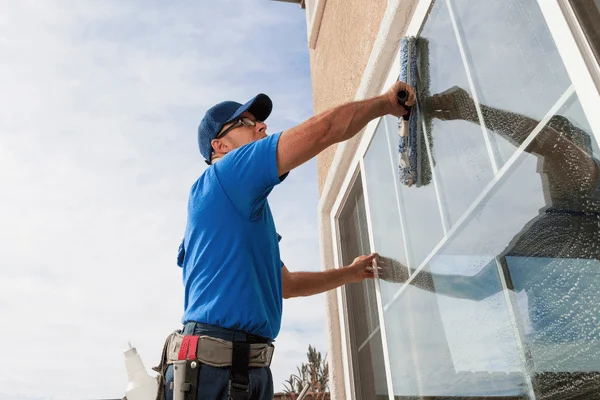
Use a microfiber cloth or a high-quality squeegee to remove liquid without leaving streaks. Work in a top-to-bottom motion, wiping your squeegee blade with a lint-free cloth after each pass. Cleaning on a cloudy day is crucial; direct sunlight can dry the solution too quickly, leaving streaks even if your technique is perfect. While these steps work for interior or easily accessible windows, exterior or second-story windows often require specialized tools and professional expertise.
Why Windows Get Streaky (And How to Prevent It)
To achieve a streak-free finish, let’s explore some common causes and a professional tip that can make all the difference.
Common Causes of Streaks
Windows often become streaky due to a combination of technique and environmental factors. Here are the most common causes:
- Dirty cleaning tools: Reusing towels or rags that are contaminated with dust or leftover cleaning solution can smear the glass.
- Sunlight and heat: Direct sunlight can dry liquid too quickly, leaving streaks.
- Excess cleaning solution: Too much soap or vinegar can leave residue that dries unevenly.
- Hard water: Mineral deposits from tap water can create stubborn spots if not rinsed thoroughly.
- Overlooking edges and corners: Small areas often retain grime if skipped.
Professional Tip for Streak-Free Window Cleaning
Start on a cloudy day, use a high-quality squeegee in a reverse “S” pattern, and always dry edges and corners with a microfiber cloth. Professionals use these techniques, along with commercial-grade solutions and tools, to ensure a spotless finish every time.
Consistent results come down to technique, not pressure. True streak-free window cleaning relies on controlled moisture, clean tools, and proper drying methods. When residue is removed evenly, and edges are detailed correctly, windows dry clear rather than revealing hidden streaks in direct light.
Best Window Cleaning Solution (DIY vs Professional)
When it comes to cleaning your windows, you generally have two options: doing it yourself or hiring a professional cleaner. Knowing the strengths of each approach can help you decide the best method for your needs.
Popular DIY Cleaning Solutions
Homeowners often rely on:
- Vinegar and water (1:1 ratio).
- Dish soap and water.
- Rubbing alcohol mixes for greasy streaks.
- Baking soda pastes for tough spots.
DIY solutions are inexpensive and can work well on interior windows. However, exterior windows or heavily soiled panes often require repeated effort to achieve streak-free results, especially on multi-story homes.
What Professional Window Cleaners Use
A good window cleaning solution should lift grime evenly, rinse clean, and dry without film. Professional use commercial-grade, streak-resistant solutions that cut through dirt, grime, and mineral deposits. When combined with microfiber cloths, squeegees, and, in some cases, water-fed poles, these cleaners can tackle the trickiest jobs quickly.
They’re trained to clean every part of the window, including frames, sills, and hard-to-reach corners, without leaving residue behind. The results are consistent, safe, and long-lasting.
Step-by-Step: How to Clean Windows Without Streaks
Follow these steps closely, and you’ll see a noticeable difference in your window’s clarity and shine.
Tools You’ll Need
- High-quality squeegee.
- Microfiber cloths for detailing.
- Bucket of solution.
- Window cleaning solution.
- Extension pole for exterior or tall windows.
Step-by-Step Method
- Remove surface dirt: Wipe dust and debris from the window frame and sill.
- Apply cleaning solution: Use a sponge or spray bottle to coat the window evenly.
- Scrub gently: Loosen dirt, particularly around corners and edges.
- Squeegee in reverse “S” motion: Start at the top and work your way down.
- Dry blade and edges: Wipe the squeegee blade and window perimeter with a microfiber cloth after each pass.
Following this method minimizes streaks and produces a polished finish that’s difficult to achieve with casual cleaning.
Window Cleaning Tips Most Homeowners Miss
- Choose the right day: Overcast or cool days reduce the risk of streaking from rapid drying.
- Use distilled water: Helps reduce spots caused by minerals in tap water.
- Detail the frames and sills: Clean surrounding areas to prevent dirt transfer.
- Microfiber cloths for final touch-ups: Remove small streaks and residue.
- Regular cleaning: Prevents buildup that becomes harder to remove over time.
These minor adjustments can dramatically improve your results and save you repeated effort.
When DIY Window Cleaning Isn’t Enough

Even when using the best window-cleaning methods, DIY can fall short on exterior or hard-to-reach glass. Safety risks, stubborn grime, and uneven results are common issues homeowners face.
Hard-to-Reach and Exterior Windows
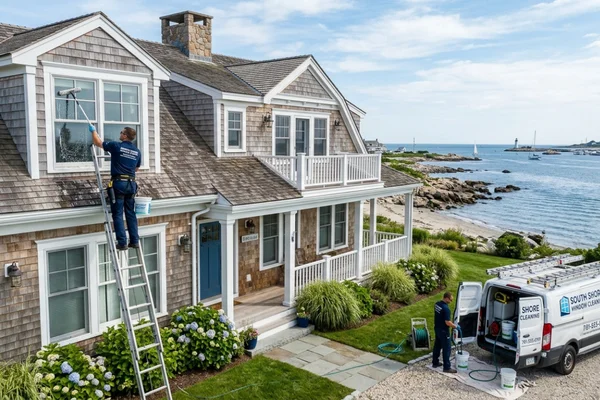
Exterior and hard-to-reach windows often require equipment and skill beyond what most homeowners have. Ladders, high-rise squeegees, and safety equipment are needed for second-story glass.
Why Professional Window Cleaning Delivers Better Results
Professionals bring the required tools and the experience to ensure a thorough clean.
- Hard-to-reach windows: Extension poles, water-fed systems, and stabilized ladders allow safe access.
- Exterior grime: Professional cleaners have solutions that cut through dirt, pollen, and pollution more efficiently.
- Consistency: Professionals guarantee streak-free results across all surfaces.
For these situations, hiring an expert is often faster, safer, and more effective than attempting a DIY job.
Is Hiring a Professional Window Cleaner Worth It?
Hiring a professional is worth it if you want:
- Crystal-clear, streak-free windows.
- Time savings.
- Safety on ladders and exterior windows.
- Access to professional-grade solutions and tools.
- Expertise in hard-to-reach areas.
A professional clean enhances your home’s appearance, ensures long-term care for your glass, and removes the stress of climbing ladders or dealing with tricky stains.
Not sure if DIY or professional cleaning is right for you? We’re happy to answer your questions.
Final Thoughts: Crystal-Clear Windows Made Easy
Knowing the best way to clean your windows can make a noticeable difference in your home’s appearance. While DIY methods work for light interior cleaning, professional cleaners deliver longer-lasting, safer, and more consistent results—especially for exterior glass.
With the right cleaning solution, proper technique, and expert tools, streak-free results become easy to maintain. If you want spotless windows without the hassle, professional cleaning is often the smartest choice. Contact our team here at South Shore Window Cleaning today!
FAQs About Window Cleaning
1. How often should I clean my windows?
For best results, clean windows at least twice a year. Homes in dusty areas, near construction, or close to the coast may benefit from quarterly cleaning to prevent dirt and salt buildup. Frequent maintenance reduces streaks and keeps windows looking clear year-round.
2. Can weather conditions affect window cleaning?
Absolutely. Direct sunlight can cause the cleaning solution to dry too quickly, leaving streaks. Wind can blow dust and dirt back onto freshly cleaned glass. Overcast, cool days are ideal for streak-free results. Avoid cleaning during rain or extreme temperatures for the best outcome.
3. What tools do professionals use?
Professional window cleaners use squeegees with soft rubber blades, microfiber cloths for edges, commercial cleaning solutions, and scrubbers for stubborn grime. Extension poles and ladder stabilizers allow them to safely reach high or exterior windows, ensuring streak-free results across all surfaces.
4. Are some windows harder to clean than others?
Yes. Stained glass requires gentle cleaning to avoid damage. Double-pane windows may require debris removal between the panes, while tinted windows require pH-neutral solutions. Always check the manufacturer’s guidelines to prevent damage and achieve a sparkling finish.
5. How long does professional window cleaning take?
For an average home, 1–3 hours is typical. Factors include the number of windows, the home’s size, and exterior conditions. Multi-story homes or heavily soiled windows may require more time. Professionals bring all necessary equipment and deliver thorough, streak-free results efficiently.
6. Can I clean windows myself safely?
Yes, with caution and proper tools. High or exterior windows are risky, and DIY methods may not remove stubborn grime completely. Professionals minimize risk, save time, and provide a consistently streak-free finish that elevates your home’s look.