Skip to content
If you have noticed moss creeping across your roof, addressing it promptly before it leads to costly damage is important. Are you curious about the best way to remove roof moss without harming your shingles or draining your budget? Soft washing is a popular, gentle method, but it’s just the beginning. There are various techniques to not only remove moss effectively but also prevent it from returning.
As you explore your options for dealing with moss on your roof, you will find strategies that ensure long-lasting protection and keep your roof in great shape. What steps should you take to safeguard your roof’s health and avoid future issues?
Why Moss Growth is a Problem for Your Roof
Moss growth on your roof can be a serious issue you should not ignore. It shortens your roof’s lifespan and leads to structural and aesthetic damage that could cost you more in the long run. Plus, it might even hike your energy bills as your home struggles to maintain ideal temperatures.

How Moss Affects Roof Longevity
Moss traps moisture against your roof’s shingles, accelerating their deterioration over time. This constant dampness weakens the roofing materials, leading to leaks, wood rot, and structural damage.
Also, moss creates a breeding ground for algae and fungi, further degrading the roof. The best way to remove roof moss is to clean it early before it spreads and causes expensive repairs. Regular maintenance and prompt moss removal can significantly extend the lifespan of your roof, helping to prevent long-term damage and costly replacements.
Structural and Aesthetic Damage
Moss has the potential to lift shingles, allowing water to seep beneath and cause rot or mold inside the roof structure. This can seriously compromise the safety and strength of your roof. Visually, moss can make a home look rundown, diminishing curb appeal and potentially lowering property value.
Additionally, moss can spread to gutters and siding, leading to further issues. The best way to clean moss off your roof is to tackle it as soon as you notice it, preventing more extensive and expensive repairs.
Increased Energy Costs
Moss accumulation can significantly impact your home’s energy efficiency. In the summer, it traps heat, forcing your HVAC system to work harder to maintain a comfortable temperature. In winter, it retains moisture, leading to ice dams, compromising insulation, and increasing heating costs.
Moss can also block gutters, leading to poor water drainage and further reducing energy efficiency. Regularly cleaning moss off your roof can help keep your home energy-efficient and reduce long-term costs associated with damaged roofing and insulation.
Best Way to Remove Roof Moss Safely and Effectively

There are two popular options for cleaning roof moss: soft washing and pressure washing. Each method has pros and cons that can impact your roof’s integrity and your wallet. You’ll also need to contemplate whether to tackle the job yourself or hire a professional, as both choices come with different costs and efficiency levels.
Soft Washing vs. Pressure Washing – Pros and cons of each method
Soft and pressure washing are two common methods for removing moss from your roof, each with distinct advantages. Soft washing involves using low-pressure water combined with cleaning solutions to safely remove moss without damaging roofing materials. This method is gentle, making it the best way to remove roof moss from delicate surfaces like shingles. While it may take longer, it also helps prevent regrowth.
On the other hand, pressure washing uses high-pressure water to blast away moss quickly, making it ideal for stubborn stains. However, this method can damage shingles or lead to leaks if not done carefully. While pressure washing is faster, it requires expertise to avoid harming the roof.
Both methods are effective, but choosing the right one depends on the condition of your roof and the extent of moss growth. Consider professional help if unsure about the best method for your roof’s needs.
DIY vs. Professional Roof Cleaning – Costs, efficiency, and risks
DIY projects come in many sizes. Trying to clean moss off a roof yourself can seem like a budget-friendly option, but it comes with challenges. You will need the right equipment and cleaners to clean moss off roof surfaces safely, and there’s always the risk of damaging shingles or missing moss that can regrow.
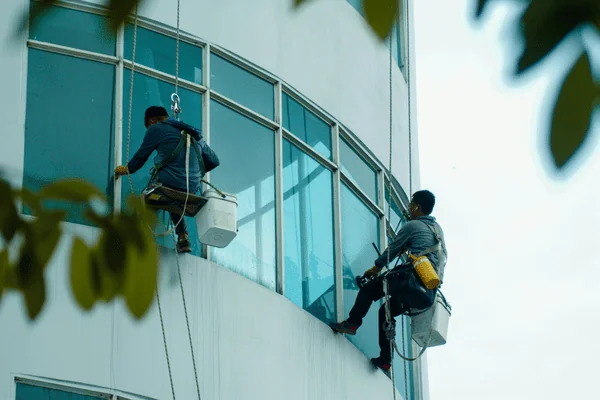
Professionals have the tools, knowledge, and experience to ensure thorough cleaning and prevent roof damage. While the upfront cost is higher, it can save you time and repair costs down the line. If you are uncertain about tackling the job yourself, hiring a professional ensures the job is done safely and effectively.
How to Prevent Moss on the Roof From Growing Back
To ensure that moss does not regrow on your roof, it is essential to adopt a regular maintenance routine and take proactive steps. Here’s how to prevent moss from making a return:
- Inspect your roof biannually: Check your roof in spring and fall for signs of moss, debris, or damaged shingles.
- Maintain proper drainage: Clean gutters regularly to prevent water accumulation, which promotes moss growth.
- Use roof pressure cleaning: This method can remove moss initially, but be cautious when using high pressure.
- Trim overhanging trees: Reducing shade allows sunlight to dry your roof, making it less conducive to moss growth.
- Apply moss prevention treatments: Use zinc or copper-based solutions after cleaning to discourage regrowth.
- Keep debris off your roof: Regularly remove leaves, twigs, and other materials that can trap moisture.
By following these simple yet effective steps, you can maintain a clean roof and prevent moss from returning, helping to preserve the longevity of your roofing materials.
When to Call a Professional for Roof Moss Removal
If you notice extensive moss growth covering large sections of your roof or infiltrating your shingles, it is time to call a professional. While minor patches might be manageable, large-scale moss buildup can cause severe damage. Moss retains moisture, which accelerates roof deterioration, leading to potential leaks and rot. For safety reasons, hiring an expert is best if your roof is steep or high.
Roof pressure cleaning can be risky for inexperienced homeowners, especially when using high-pressure methods that may damage shingles. Professionals are equipped with the right tools and know-how to navigate your roof while removing moss safely. Additionally, if you’ve tried DIY cleaning but haven’t seen results, experts can use specialized treatments unavailable to homeowners.
It is essential to act promptly to avoid further damage to your roof. Remember, a professional cleaning can remove the moss and help prolong your roof’s lifespan, ultimately saving you money on costly repairs.
Final Thoughts About Roof Moss Removal
To sum up, tackling roof moss is essential for maintaining your home’s integrity. You can effectively remove and prevent moss growth by using safe methods like soft washing and staying proactive with regular maintenance.
Do not forget to keep an eye on your roof and take preventative measures to avoid future issues. If the problem feels overwhelming or you want the best results, do not hesitate to call in professionals who can provide tailored solutions for your roof.
Want to remove roof moss safely and effectively? Let our professionals handle it. Schedule your roof cleaning today and say goodbye to moss on the roof for good!
FAQs
1. Can Roof Moss Affect Home Insurance Rates?
Yes, roof moss can affect your home insurance rates. Insurers might see it as a maintenance issue, potentially leading to higher premiums or denied claims. Keeping your roof clean helps maintain your home’s value and insurability.
2. Is It Safe to Use Bleach for Moss Removal?
Using bleach for moss removal isn’t always safe. It can damage your roof and harm surrounding plants. Consider gentler alternatives like vinegar or commercial moss killers designed to protect your roof and environment.
3. How Often Should I Check My Roof for Moss?
You should check your roof for moss at least twice a year, preferably in spring and fall. Regular inspections help catch moss early, preventing damage and extending your roof’s lifespan. Don’t overlook this important maintenance task, as it can help you detect signs of roof issues sooner rather than later!
4. Does Moss Removal Damage Roof Shingles?
If done improperly, removing moss can potentially damage roof shingles. To protect your shingles, use gentle methods and avoid harsh chemicals. Regular maintenance helps prevent moss buildup, reducing the need for removal.
5. What Tools Are Best for DIY Moss Removal?
For DIY moss removal, you will need a stiff-bristle brush, a ladder for access, and a garden sprayer for applying moss killer. Safety gear like gloves and goggles is essential to protect yourself during the process. The process and supply list can be a lot, which is why DIY roof moss removal is generally not recommended.