Skip to content
If you’ve invested in solar panels, you already know how rewarding it is to generate clean, renewable energy right from your home. But to keep your system performing at its best, a bit of upkeep is required, and one question many homeowners ask is how often to clean solar panels.
While solar systems are designed to be low-maintenance, they’re not completely self-sufficient. Over time, dust, pollen, and debris can build up on the surface, limiting sunlight absorption and reducing output. The proper cleaning routine can make all the difference in maintaining efficiency, extending the lifespan of your panels, and protecting your investment.
Maintain efficiency by cleaning solar panels regularly. Ensure proper solar panel cleaning with trusted experts. Rely on local solar panel cleaning services for safe, effective maintenance that boosts energy output and panel lifespan. Here, we’ll explore the key factors that determine your solar panel cleaning frequency, offer expert maintenance tips, and explain how to keep your panels in top condition safely.
Why Cleaning Solar Panels Regularly Matters
Regular cleaning keeps your solar panels operating efficiently and protects your investment. By maintaining a simple cleaning routine, you extend the life of your panels, and your solar energy system continues to run at peak efficiency.

Impact of Dirt, Dust, and Debris on Efficiency
Studies show that dirty panels can lose anywhere from 5% to 25% of efficiency, depending on how much buildup occurs. The key question, how often to clean solar panels, depends mainly on your environment.
In general, twice a year is a good starting point, but if you live near farmland, construction sites, or busy roads, you may need more frequent cleanings. A clear surface ensures your panels capture the most sunlight possible and helps reduce long-term maintenance costs.
Common Problems Caused by Neglecting Cleaning
Besides reduced efficiency and higher energy bills, long-term dirt buildup can cause corrosion or staining on the panel’s surface. Neglecting cleaning can also affect warranties, since some manufacturers require proof of regular maintenance.
Over time, what seems like minor neglect can lead to expensive repairs or replacements. Staying proactive with regular cleaning prevents these problems before they start.
Benefits of Maintaining Clean Panels
Clean panels don’t just look better, they perform better. By preventing dirt and grime from accumulating, you maximize energy output and reduce the need for costly system checks. Clean panels also maintain their aesthetic appeal and can even increase your home’s value.
How Often Should I Clean Solar Panels? Factors to Consider
Determining how often to clean solar panels depends on several key factors: your geographic location, weather, roof design, and even the type of solar panels installed.
Geographic Location and Weather Conditions
If you live in a dry or dusty area, near highways, or where pollen counts are high, your panels will collect debris more quickly. Conversely, regions with frequent rainfall may require less manual cleaning. Keep in mind that while rain helps, it rarely removes stubborn dirt or bird droppings. In areas with frequent windstorms, agricultural activity, or wildfires, check your panels more often.
Roof Angle and Panel Placement
The angle of your roof plays a surprisingly significant role in how often your panels need attention.
- Steeper roofs allow rain to wash away more debris naturally.
- Flat or low-angled panels tend to trap dust and water spots, requiring more frequent cleaning.
- Panels near trees or shaded areas accumulate leaves and sap faster than those in open spaces.
By evaluating these details, you can create a realistic cleaning routine that suits your property’s unique conditions.
Type of Solar Panels and Surface Material
Different panel types and coatings respond differently to environmental buildup:
- Monocrystalline panels often resist dirt better than polycrystalline ones.
- Glass-coated panels typically repel dust more effectively than matte finishes.
- Panels with textured surfaces need more attention because dirt can get trapped in tiny grooves.
Recommended Solar Panel Cleaning Frequency
Establishing the right solar panel cleaning frequency helps maintain energy efficiency and extends panel life. While there’s no universal rule, a few general guidelines apply to most homeowners.

General Guidelines for Homeowners
- Every 6 months: Ideal for most homes in mild environments.
- Every 2–3 months: Recommended for dusty or pollen-heavy regions.
- After storms: Inspect and clean off debris or leaves.
- Early morning or late afternoon: The best times to clean, avoiding heat that causes water spots.
During cleaning, also look for cracked glass, corrosion, or loose wiring that may need professional attention.
DIY vs. Professional Cleaning Intervals
Deciding whether to handle cleaning yourself or hire an expert depends on your confidence and roof access. DIY cleaning is cost-effective and allows close inspection, but safety should come first. If your panels are hard to reach or your roof is steep, professionals have the right tools and expertise to ensure a thorough job.
Monitoring Panel Performance for Cleaning Needs
Keep an eye on your system’s performance, it’s one of the best indicators of when to clean it.
- Energy output: Drops in production often signal dirt buildup.
- Visual inspection: If panels look dull or spotted, it’s time to clean.
- Weather patterns: After dry spells, pollen seasons, or sandstorms, check for residue.
Tracking performance data through your solar monitoring system can help you pinpoint the ideal cleaning intervals for your location.
Step-by-Step Guide to Cleaning Solar Panels Safely
Cleaning doesn’t need to be complicated. With the right tools and safe techniques, you can maintain your panels effectively without causing damage.
Tools and Materials You’ll Need
- Soft-bristle brush or sponge.
- Hose with a gentle spray nozzle.
- A bucket with mild, eco-friendly soap.
- Squeegee or microfiber cloth for drying.
These simple supplies are all you need to keep your panels free of debris and functioning efficiently.
Safe Cleaning Techniques
Always prioritize safety. Clean early in the morning or late in the afternoon to avoid heat stress and streaking. Gently scrub panels with a soft brush and soapy water, then rinse thoroughly. Avoid high-pressure sprayers or abrasive materials, which can damage the surface. If your panels are installed high or at awkward angles, it’s best to call a professional window cleaning service.
Common Mistakes to Avoid During Cleaning
- Using harsh detergents or rough pads.
- Cleaning under direct sunlight.
- Ignoring proper footwear or ladder safety.
- Skipping regular inspections after cleaning.
Simple precautions help you protect both yourself and your system’s performance.
Expert Tips for Maintaining Peak Solar Panel Efficiency
Beyond cleaning, preventive care ensures long-term performance and fewer repairs.
Seasonal and Preventive Maintenance
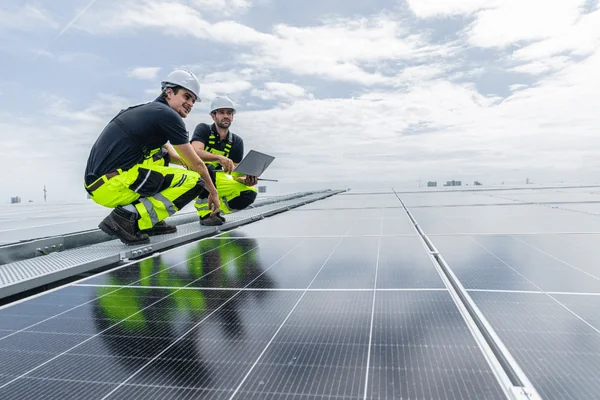
Check for fallen leaves, branches, or bird droppings that may block sunlight. Confirm electrical connections remain tight and corrosion-free. Schedule professional inspections at least once a year to detect issues early.
Leveraging Technology to Optimize Cleaning Frequency
Modern monitoring systems track panel output and alert you when performance drops. Apps and smart sensors can analyze weather data to predict when cleaning is needed. Some homeowners even use automated robotic systems that clean panels safely and efficiently — an excellent option for large or commercial installations.
Professional Recommendations from Solar Experts
Experts recommend visual inspections monthly and cleanings every 3–6 months, depending on conditions. Use only soft brushes or squeegees, mild soap, and clean water. And when in doubt, hire professionals to ensure safety and maintain warranty coverage.
Final Thoughts: Keep Your Solar Panels Efficient Year-Round
Regular cleaning and inspection ensure your panels deliver maximum energy all year long. So, how often to clean a solar panel? Tailor your maintenance routine to your environment — whether that means biannual or seasonal cleaning — and stay alert for signs of performance drops. With consistent care, your system will last longer, produce more energy, and provide greater returns.
Maximize solar performance by cleaning solar panels with care. Choose proper solar panel cleaning methods from local solar panel cleaning services that protect your system and improve long-term energy efficiency.
Maximize your solar energy and savings with clean panels. Get expert cleaning guidance or hire a professional today!
Frequently Asked Questions
1. How often should I clean solar panels in dusty areas?
If you live in a dusty or arid region, you’ll likely need to clean your solar panels every one to two months. Dust, sand, and airborne debris can settle quickly, reducing your panels’ ability to capture sunlight efficiently. Inspect them regularly, especially after windstorms or extended dry spells.
2. Can rain clean solar panels naturally?
Rain helps wash away some surface dust, but it’s not enough to keep panels completely clean. Light rain often leaves behind mineral spots, pollen, or bird droppings that block sunlight. Think of rainfall as a light rinse rather than a replacement for manual cleaning. After long dry periods or pollen-heavy seasons, check your panels to see if they need additional care to restore full efficiency.
3. Is it safe to clean solar panels myself?
If your panels are easily accessible, use non-abrasive brushes, mild soap, and plenty of water. Always turn off the system before cleaning and avoid working on steep or slippery roofs. For high or hard-to-access installations, hiring a professional ensures both your safety and a thorough cleaning.
4. What tools work best for cleaning solar panels?
Use a soft-bristle brush or sponge, a gentle spray hose, a bucket with mild biodegradable soap, and a squeegee or microfiber cloth for drying. These tools help remove grime without scratching the surface. Avoid harsh chemicals, metal scrubbers, or pressure washers, which can cause permanent damage.
5. Can bird droppings damage solar panels?
Yes. Bird droppings are acidic and can etch the panel’s surface if left for long periods. They also block sunlight and create hot spots that affect performance. Check for droppings regularly, especially if trees or nests are nearby, and clean them promptly to prevent damage.
6. How can I tell if my panels need cleaning?
Monitor your energy output through your inverter or app. A sudden or steady drop in production often means dirt is obstructing sunlight. Combine performance tracking with a quick visual check every few weeks to keep your system running efficiently.