Skip to content
Cleaning your window screens is a household chore that often falls to the bottom of the to-do list even though it shouldn’t. Most homeowners don’t realize that their screens act as a primary filter for the air they breathe. When you open your windows to let in a breeze, you are also pulling air through whatever is stuck to that mesh. If your screens are caked in dust, pollen, and road grime, your indoor air quality is taking a hit.
By learning the best way to clean window screens, you can instantly brighten your rooms and breathe easier. Whether you’re tackling a spring cleaning marathon or just want to improve your home’s curb appeal, knowing this will save you time and prevent accidental damage to delicate frames. Let’s explore how to handle this task effectively and determine when it’s time to call in the experts.
Why It’s Important to Clean Window Screens Regularly

Maintaining clean screens is about more than just a clear view. It’s a fundamental part of home health and window longevity. Your screens act as the first line of defense for your property, catching road salt, spider webs, and pollen before they ever reach your glass. If left uncleaned, this debris can become baked on by the sun, leading to permanent staining on the screen material and the window tracks.
How Dirty Screens Affect Airflow and Indoor Air Quality
When screens accumulate grime, they act like a clogged filter, significantly hindering airflow and making your home feel stagnant. Furthermore, neglected mesh traps allergens and pollutants. When a breeze passes through, it carries these particles directly into your living space. Keeping your screens pristine ensures your home stays ventilated, healthy, and free of the muddy streaks caused by rain washing through dirty mesh.
How to Remove Window Screens Safely
Before you can begin cleaning, you have to remove the screens from the windows. This is often the most intimidating part of the job for homeowners because aluminum frames are notoriously soft and easy to damage.
How to Remove Window Screens From Inside
Most modern windows are designed so you can remove the screen from inside the home, no ladder needed.
- Open the window fully so you have enough room to work
- Find the pull tabs or spring pins along the frame (usually at the bottom or sides)
- Press or pull them inward to release the screen from the track
- Tilt the screen slightly and guide it back through the window opening
Take your time with this step. Window screens are lightweight but can bend if you force them.
Tips to Avoid Bending or Damaging Frames
Window screens are easy to bend if you rush the removal. A few simple habits will help you avoid damage:
- Use both hands to support the frame as you remove it
- Don’t force a stuck screen—buildup in the track is usually the cause
- Clear the track first with a quick vacuum or light tap
- Lay screens flat on a clean surface once they’re out
Taking a few extra seconds here helps keep the frame square and reusable.
How to Clean Window Screens Step by Step

Now that the screens are out, you can move on to the actual screen cleaning. To achieve a professional-grade result, you need a systematic approach that removes deep-seated grime without tearing the mesh.
Tools and Supplies You’ll Need
Gather these items before you start:
- Vacuum with a brush attachment
- A soft-bristle brush (like a large paintbrush)
- A bucket of warm water mixed with mild dish soap
- A large sponge or microfiber cloth
- A garden hose with a gentle spray setting
- Clean towels for drying
Best Way to Clean Window Screens Without Damage
Dry Dusting: Use your vacuum or brush to remove loose dust while the screen is dry. If you wet it immediately, the dust turns into a muddy paste that is much harder to remove.
The Soapy Scrub: Dip your sponge into the soapy water, then wipe both sides of the screen in circular motions. Avoid pushing too hard, as this can stretch the fiberglass mesh or cause it to pop out of the rubber spline.
The Rinse: Use a low-pressure hose to rinse away all soap bubbles.
The Final Dry: Tap the frame gently on the ground to knock off excess water, wipe the aluminum frames with a towel, and let them air dry completely in the shade before re-installing.
Window Screen Cleaning Methods Compared
Depending on how dirty your home is, you may need a different approach.
Cleaning Screens with Water and Mild Soap
This is the gold standard for cleaning window screens. Mild soap breaks down the oily films caused by cooking grease or car exhaust, making it the most effective method for deep cleaning.
When to Use a Brush or Vacuum
If you live in a particularly dusty area, a quick monthly dry cleaning with a vacuum equipped with a brush attachment is a great habit. This prevents the need for a heavy-duty wash every few months and keeps your airflow optimal between deep cleanings.
What to Avoid When Cleaning Window Screens
- High-Pressure Washers: These will almost certainly tear the mesh or bend the frame.
- Harsh Chemicals: Avoid bleach or ammonia, as they can corrode aluminum or weaken the mesh fiber.
- Abrasive Scrubbers: Never use wire brushes or steel wool, as they snag the weave.
Common Mistakes to Avoid When Cleaning Window Screens
To ensure your cleaning goes smoothly, keep these common pitfalls in mind:
- Cleaning the glass but ignoring the screens: If you leave dirty screens in place, the very first rainfall will wash the trapped grime back onto your clean glass, leaving mud streaks.
- Using high-pressure water: A pressure washer or a high-blast hose nozzle can easily slice through fiberglass mesh or blow the screen completely out of its frame.
- Re-installing while wet: Putting damp screens back into the window tracks traps moisture against the frame and sill, which can lead to mold and mildew growth.
- Neglecting the window tracks: If the tracks are full of dirt, the screen won’t sit flush. Always wipe out the tracks while the screens are removed.
- Applying uneven pressure: Pushing too hard on one spot can pop the mesh out of the rubber spline, requiring a professional repair.
- Using the wrong chemicals: Avoid ammonia, bleach, or oily cleaners, as they can corrode aluminum or leave a sticky residue that attracts even more dust.
- Leaning wet screens against walls: Wet aluminum frames can leave permanent marks or stains on painted interior or exterior walls while they are drying.
When to Replace Instead of Clean Window Screens
No matter how well you clean your window screens, they eventually reach the end of their lifespan. Look for brittleness (the mesh crumbles when touched), visible sagging, or bent frames that leave gaps. If the mesh has large tears or the protective coating on aluminum screens has worn away, replacement is the better option for maintaining airflow and pest protection.
Professional Window Screen Cleaning vs. DIY
While many homeowners attempt this as a DIY project, there are significant benefits to hiring professional window cleaning services.
Benefits of Hiring Professional Window Cleaning Services
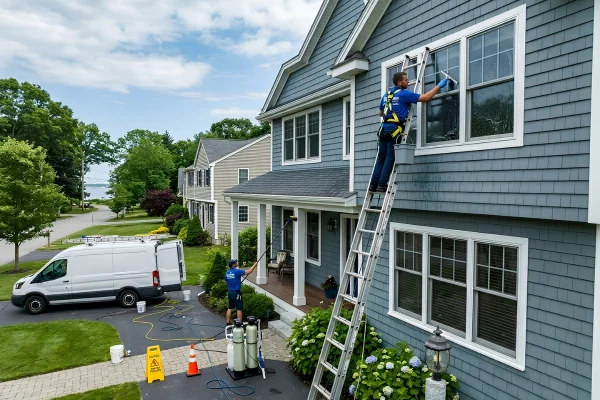
Professional window cleaning services go beyond what most homeowners can do with basic tools. While specialized equipment plays a role, the bigger advantage is consistency and efficiency. When you need local window cleaning services, we want to be the name that comes to your mind – South Shore Window Cleaning!
Experts use low-pressure systems and dedicated cleaning tools that remove dirt from both sides of the screen without damaging the mesh. They also handle removal and reinstallation quickly, reducing the risk of bent frames or improper fit.
Just as important, professional cleaning saves time and eliminates the need for ladders or repeated rinsing. The result is a more thorough clean, less hassle, and screens that last longer.
When to Call the Pros
Hiring a professional is usually the best path for multi-story homes or projects involving dozens of windows. DIY screen cleaning can quickly turn into a full weekend-long chore involving high-risk ladder work. A professional team handles the removal, deep cleaning, and re-installation in a fraction of the time, providing a level of clarity and frame protection that is difficult to replicate on your own.
How Often Should You Clean Window Screens?
For most homes, cleaning window screens twice a year in the spring and fall is enough to keep airflow clear and prevent buildup.
If your home is exposed to more debris such as heavy traffic, nearby construction, or coastal conditions, you may need to clean them every few months to keep dirt and residue from collecting in the mesh.
The key is consistency. Letting buildup sit too long makes screens harder to clean and can reduce airflow over time.
Keep Your Windows and Screens Clear Year-Round

Regular screen cleaning is simple, but it’s often one of those tasks that gets pushed off. If you’d rather have it handled quickly and thoroughly, professional cleaning can save time and deliver more consistent results.
South Shore Window Cleaning provides full window and screen cleaning services to keep your home looking clean and letting in as much natural light as possible.
Request a free quote today and take one more task off your list. See for yourself why we are the name more people trust for local window cleaning services. Come see the South Shore Window Cleaning difference today!
FAQs
1. Can I use bleach to clean window screens?
No, you should avoid bleach. It is too harsh for most screen materials and can cause the aluminum frames to oxidize or discolor. Mild dish soap and warm water are much safer and more effective at breaking down typical environmental grime.
2. How do I prevent window screens from getting dirty?
While you can’t stop the wind, you can minimize buildup by keeping your windows closed during high-pollen days or heavy windstorms. Additionally, keeping your window tracks clean will prevent splashback when it rains.
3. Are there specific cleaning products I should avoid?
Avoid any solvent-based cleaners, harsh-acid degreasers, or abrasive powders. These can eat away at the screen’s protective UV coating, leading to premature brittleness and tearing.
4. Can I clean screens in direct sunlight?
It is better to clean them in the shade. Direct sunlight can cause the soapy water to dry too quickly, leaving streaks or soap spots on the mesh before you have a chance to rinse them off.
5. How can I tell if my screens are damaged?
Check for small pinholes, fraying edges where the mesh meets the frame, or a ghostly white appearance on the mesh. These are all indicators that the material is failing and should be replaced rather than cleaned.